


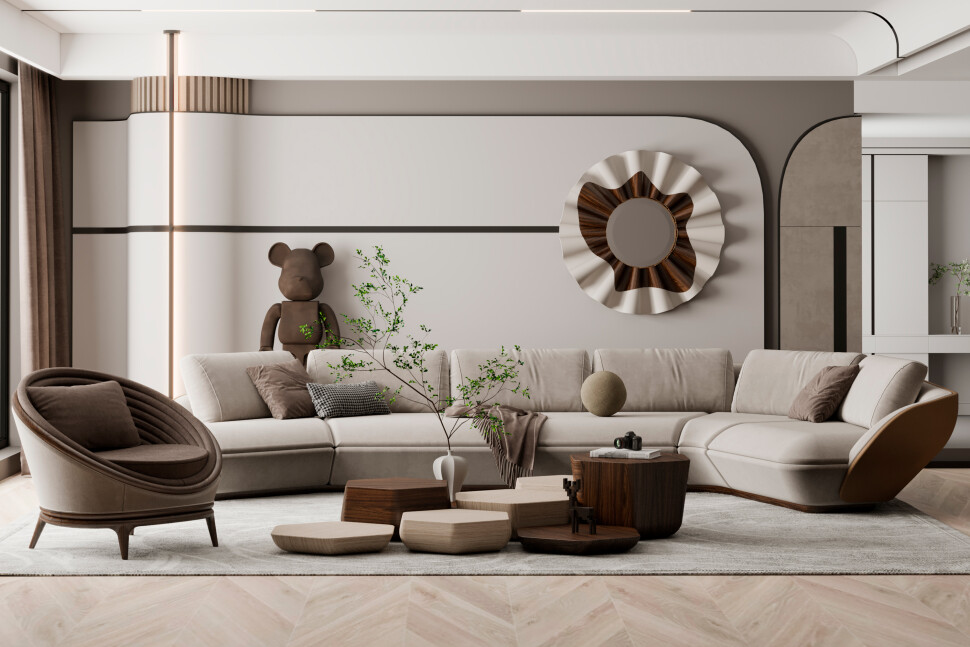


Family life is evolving. With shifting economic conditions, longer lifespans, and a renewed appreciation for togetherness, many households are rethinking traditional living arrangements. Among the most compelling solutions are multi-generational home plans, which allow grandparents, parents, and children to share a roof while maintaining independence and privacy. These architectural concepts have surged in popularity because they merge practicality with emotional connection, offering a way for families to support one another without compromising on modern comfort.
The Rise of Shared Living Spaces
In recent years, the notion of shared households has transformed from necessity into preference. Rising housing costs and healthcare expenses have encouraged families to pool resources. At the same time, cultural traditions that value intergenerational ties have gained recognition in mainstream home design. As a result, blueprints today often integrate private suites, dual kitchens, and flexible living zones. These elements foster harmony by balancing communal interaction with personal retreat.
Blending Privacy with Connection
Designers emphasize the importance of privacy in shared homes. Separate entrances, soundproofed walls, and thoughtfully placed bedrooms ensure that each generation enjoys autonomy. Yet, spacious common areas—such as open-plan kitchens, expansive dining rooms, and multi-use family lounges—create opportunities for interaction. The architecture, therefore, becomes more than walls and floors. It becomes a framework for human connection, carefully weaving intimacy and independence into one coherent design.
Functional Features for Everyday Living
A residence that houses multiple generations must anticipate diverse needs. Wider hallways accommodate elderly mobility, while built-in study nooks cater to school-aged children. Large kitchens provide ample room for collective cooking, and outdoor terraces extend gathering spaces into the open air. Bathrooms are often multiplied, strategically placed to reduce congestion and maintain convenience. These features are not luxuries—they are necessities that allow the household to thrive.
Economic Advantages
Pooling resources in a shared household provides substantial financial relief. Families save on mortgage costs, utility bills, and maintenance expenses. By consolidating daily living expenditures, households free up capital for education, healthcare, or investments. Moreover, a larger property can appreciate significantly in value, creating a long-term financial advantage for future generations. This pragmatic dimension makes shared homes an appealing choice not only for cultural or emotional reasons but also for economic resilience.
Strengthening Family Bonds
Beyond economics, the most compelling advantage is the strengthening of familial relationships. Children grow up with daily access to grandparents, absorbing wisdom and traditions. Older relatives feel valued, supported, and connected, reducing the isolation often associated with aging. Parents, in turn, benefit from additional caregiving support and a nurturing environment. The home thus becomes a crucible of belonging where shared meals, conversations, and celebrations shape identity across generations.
Challenges and Their Solutions
While the rewards are profound, challenges inevitably arise. Conflicting schedules, varying lifestyles, and generational differences can create friction. To counter this, clear boundaries and open communication are essential. Architects and planners contribute by designing homes with dedicated zones for quiet, study, or leisure. When space reflects respect for individuality, coexistence becomes smoother.
The Future of Home Design
As demographic and cultural trends shift, architects are reimagining housing models. Flexible floor plans that allow for conversion, modular units that expand as needed, and technology-driven designs for eldercare are increasingly in demand. These innovations reflect a deeper understanding that homes must adapt to the dynamics of modern families. No longer static, they are evolving organisms—spaces that grow with the people they shelter.
Shared households represent more than a design trend. They symbolize a cultural return to unity, where connection and care are central to daily life. By merging practical design with the emotional fabric of family, these homes create lasting legacies. They stand as testaments that architecture is not only about aesthetics but also about nurturing relationships, safeguarding financial security, and crafting environments where generations flourish together.
More Stories
Home Construction Cost Estimator: Calculate Before You Build
Villa Housing Plans Perfect for Modern Getaways
Compact Housing Designs That Make Every Space Count