
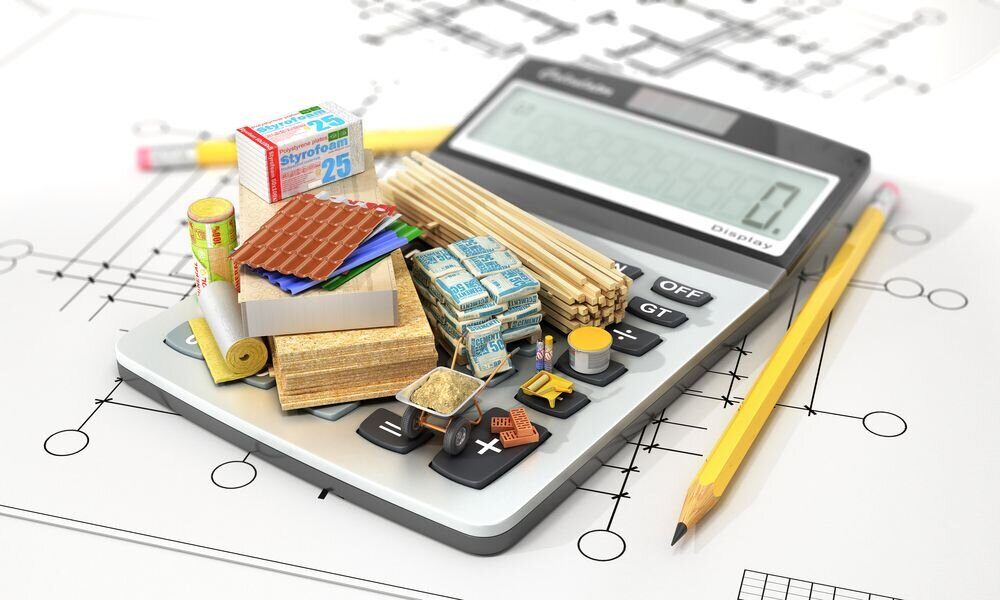




Every successful construction project begins with precision and foresight. A home construction cost estimator serves as the foundation for responsible budgeting, ensuring that every brick, beam, and blueprint aligns with financial reality. In an age of fluctuating material costs and labor shortages, understanding the monetary framework of building a house is not a luxury—it is a necessity. Knowing your projected expenditure before you build safeguards your vision from collapsing under unforeseen financial strain.
Defining the Scope of Your Project
A house is not simply a structure; it is a reflection of personal vision translated into architectural form. Before setting the first stone, clarity in the project’s scope is crucial. The size of the house, architectural complexity, location, and intended finishes all dictate the budget. A minimalist countryside cottage, for instance, requires an entirely different cost projection from a multi-story urban residence. Early definition of these parameters prevents scope creep, the silent culprit of budget overruns.
Materials and Market Fluctuations
The market for construction materials is a living organism, constantly in motion. Steel, cement, timber, and glass fluctuate in price due to supply chains, global demand, and energy costs. Builders must remain vigilant, tracking market patterns to identify ideal purchasing windows. Sustainable materials, though sometimes costlier upfront, can yield long-term savings through durability and energy efficiency. Moreover, local sourcing of materials not only supports regional economies but also reduces transportation expenses.
The Cost of Labor and Expertise
Labor forms the heart of any construction project. Skilled workers, contractors, and engineers transform blueprints into tangible form. However, the cost of human expertise varies by region, experience, and availability. High-quality craftsmanship demands a premium, yet cutting corners in labor often leads to expensive repairs later. Balancing skill with affordability requires careful negotiation, transparent contracts, and clearly defined deliverables. Investing in experienced labor ensures precision and mitigates risk.
Site Conditions and Terrain Challenges
No two plots of land are identical. Soil type, topography, drainage, and accessibility can profoundly affect construction costs. A flat site with stable ground allows for smooth operations, while sloped or rocky terrain demands excavation, grading, and additional structural reinforcement. Conducting a thorough geotechnical analysis before design commencement helps prevent costly surprises. The hidden aspects beneath the ground can be as critical as the visible ones above it.
Architectural Design and Structural Integrity
Design influences cost as much as square footage. Complex layouts with irregular shapes, expansive glass facades, or custom roofing systems elevate material and labor expenses. Architects must harmonize aesthetics with feasibility. Modular or prefabricated designs offer a modern approach to cost control, minimizing waste and construction time. A well-thought-out design achieves equilibrium—capturing the essence of beauty without sacrificing economic rationality.
Permits, Legalities, and Compliance Costs
Every construction project must pass through a labyrinth of regulations. Building permits, zoning approvals, and environmental assessments carry both monetary and time implications. Non-compliance may result in penalties or halted progress, both of which can derail even the best-planned schedules. Early consultation with municipal authorities and legal experts ensures adherence to codes. Proper documentation may appear bureaucratic, yet it forms the legal scaffolding upon which your project stands.
Energy Efficiency and Sustainable Building Choices
Modern construction transcends shelter; it embraces sustainability. Incorporating energy-efficient systems—such as solar panels, insulated windows, and smart thermostats—initially increases expenditure but delivers enduring savings. Eco-friendly materials reduce maintenance and energy consumption. Green certifications like LEED (Leadership in Energy and Environmental Design) also elevate a property’s long-term value. Building sustainably is not merely an ethical decision—it’s a strategic investment into future economy.
Hidden Costs That Often Go Overlooked
Even meticulous planners encounter concealed expenses. Landscaping, driveway paving, interior fittings, and waste disposal can significantly add to the final tally. Insurance, temporary accommodations during construction, and post-construction cleaning also contribute to the cumulative cost. The prudent builder allocates a contingency budget—typically 10 to 15 percent of total costs—to cushion against unexpected developments. Transparency and anticipation form the twin shields against financial shock.
The Impact of Location and Market Conditions
Geography plays an undeniable role in construction economics. Building in metropolitan areas demands higher labor rates and material costs, while rural construction may suffer from logistical challenges. Economic cycles also dictate construction prices—booming markets increase demand and inflation, while downturns offer negotiation advantages. Understanding local market rhythms allows investors to make informed timing decisions. Strategic patience often saves more than hurried action.
Digital Tools and Cost Calculation Software
Technology has transformed the art of estimation. Sophisticated digital platforms now provide real-time analytics, allowing builders to input design parameters and receive detailed cost breakdowns. These systems analyze variables such as material quantity, regional pricing, and construction timelines with remarkable accuracy. Cloud-based tools also enable collaboration among architects, contractors, and clients, ensuring consistent financial visibility. Precision in estimation begins with data-driven decision-making.
Modular and Prefabricated Construction Efficiency
Prefabrication redefines how homes are built. By constructing major components off-site and assembling them on location, developers minimize material waste and weather-related delays. The streamlined process ensures consistent quality while reducing costs. Prefab designs once carried a stigma of uniformity, but innovation has rendered them stylish and customizable. This approach harmonizes time, cost, and creativity—a modern embodiment of efficiency in the construction sector.
The Influence of Design Trends on Cost
Trends influence both aesthetic appeal and financial expenditure. Open floor plans, high ceilings, and minimalist façades require structural adjustments that affect cost. Meanwhile, industrial and Scandinavian design trends rely heavily on premium finishes and lighting, which elevate interior expenses. The challenge lies in balancing design aspiration with budgetary reality. True sophistication stems from thoughtful allocation, not extravagance.
Economic Inflation and Cost Escalation Risks
Inflation remains an ever-present threat to construction budgets. As material and fuel prices climb, so too do labor rates. Delayed projects suffer the brunt of this escalation, with extended timelines compounding financial pressure. Contractors may include escalation clauses in contracts to manage such risks. Effective time management and bulk purchasing strategies mitigate exposure to economic volatility. Stability in execution protects investment integrity.
The Role of Project Management in Cost Control
A capable project manager orchestrates the complex symphony of tasks, timelines, and resources. From procurement to quality assurance, their oversight ensures alignment between financial plans and field execution. Poor coordination leads to wastage, rework, and delay—each translating to cost inflation. Transparent reporting, milestone tracking, and accountability form the triad of efficient management. In construction, organization is as valuable as concrete itself.
Comparing Contractor Bids and Negotiating Wisely
Selecting a contractor should be a balance of price and trust. While the lowest bid may appear appealing, it often conceals compromises in quality or scheduling. Comparing detailed quotations—itemizing labor, materials, and profit margins—reveals the true value of each proposal. Negotiating fairly yet assertively fosters mutual respect and commitment. A well-documented contract acts as both guide and safeguard, ensuring smooth collaboration.
Financing the Dream: Mortgage and Funding Strategies
Few projects are entirely self-funded. Construction loans, mortgages, and equity financing provide the necessary liquidity but introduce repayment obligations. Understanding interest structures, payment milestones, and credit requirements prevents financial distress mid-project. Partnering with reputable lenders who specialize in construction financing can offer flexibility and expert guidance. The ideal financial plan balances ambition with prudence.
Smart Home Technology and Its Price Implications
The era of automation has infiltrated residential architecture. Smart security systems, energy-efficient appliances, and AI-driven climate control add value but also elevate costs. Integrating these technologies during construction is more economical than retrofitting later. The upfront investment delivers long-term returns in convenience, safety, and energy savings. Builders must anticipate future tech compatibility to maintain property relevance.
Time as a Monetary Resource
In construction, time equates to capital. Each delay accumulates hidden expenses—from extended labor to equipment rentals. Weather, supply chain disruptions, and regulatory delays can derail timelines. A realistic schedule, coupled with contingency time buffers, prevents budget strain. Speed without sacrifice is the ultimate goal—completing on schedule while maintaining structural and aesthetic integrity.
Building for the Long Term
Durability defines value. A well-built home withstands environmental wear, minimizing maintenance costs across decades. Cheap materials or rushed workmanship may seem cost-effective short-term but degrade rapidly, demanding expensive repairs. Prioritizing quality at the foundation stage secures financial and structural longevity. Construction is not merely about completion—it is about legacy.
Interior Finishing and Personalization Costs
Interior finishes transform a structure into a sanctuary. Flooring, cabinetry, lighting, and fixtures consume a significant portion of the budget. Premium materials elevate ambiance but demand careful selection to avoid excess. Custom features such as built-in furniture or artisanal elements enhance individuality yet stretch financial boundaries. The art of interior budgeting lies in harmonizing comfort with restraint.
Landscaping and Exterior Works
Outdoor design contributes more than aesthetics—it extends livable space. Gardens, pathways, patios, and water features elevate property appeal but require both capital and maintenance. Well-designed landscaping improves environmental sustainability by supporting drainage and biodiversity. Allocating funds for exterior development ensures a holistic completion, where architecture and nature coexist seamlessly.
Post-Construction Considerations and Maintenance Planning
The end of construction marks the beginning of ownership responsibility. Regular maintenance, insurance, and inspections preserve property value. Establishing a long-term maintenance fund protects against wear and environmental degradation. Preventive care costs less than reactive repair. Informed homeowners treat maintenance as an extension of construction rather than an afterthought.
The Psychological Dimension of Budgeting
Building a home is as emotional as it is financial. The thrill of creation can easily overshadow fiscal discipline. Emotional decisions—rushed upgrades, impulsive design changes—often inflate budgets unnecessarily. Rational restraint requires mindfulness and adherence to initial plans. Financial serenity transforms the construction experience from stressful to fulfilling. Discipline is the architecture of stability.
Integrating Future-Proofing Strategies
Anticipating technological evolution and lifestyle shifts ensures longevity in design. Flexible layouts, adaptable electrical systems, and provisions for future expansions prevent obsolescence. Future-proofing transforms a home into a living organism capable of growth. This foresight reduces future renovation costs while preserving aesthetic continuity.
Evaluating Return on Investment
Construction should also be viewed through the lens of investment. Understanding potential resale value and rental yield allows builders to measure return on capital. Strategic location, energy efficiency, and modern amenities elevate property desirability. A financially intelligent home is one that appreciates while serving its inhabitants with efficiency and grace.
Building Beyond the Blueprint
Ultimately, the journey from concept to completion embodies both art and arithmetic. Financial precision, design sensibility, and ethical construction practices intertwine to shape more than just walls—they build stability. Every home stands as a testament to the balance between imagination and calculation. The essence of construction lies not in mere assembly but in the creation of enduring harmony between vision, material, and time.
More Stories
Villa Housing Plans Perfect for Modern Getaways
Compact Housing Designs That Make Every Space Count
Multi-Generational Home Plans That Bring Families Together